 ENG
ENG हिन्दी
  Aries
Aries Taurus
 Gemini
 Cancer
 Leo
Leo Virgo
Virgo Libra
Libra Scorpio
 Sagi
Sagi Capri
Capri Aquarius
 Pisces
Rudraksha holds a sacred place in Hindu tradition and has been revered by saints, yogis, sages, and devotees of Lord Shiva for thousands of years. More than just a bead, Rudraksha symbolizes devotion, spiritual discipline, and a connection with divine consciousness. It is commonly worn as a mala, bracelet, or pendant by those seeking to deepen their spiritual practice.
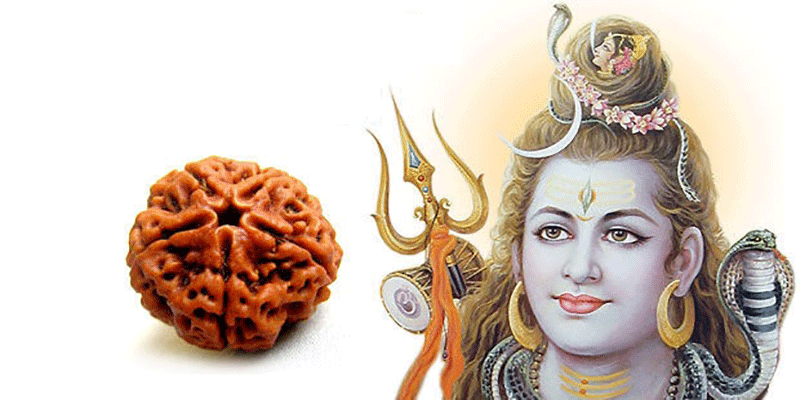
The word “Rudraksha” is derived from two Sanskrit words—“Rudra,” another name for Lord Shiva, and “Aksha,” meaning tears or eyes. According to Hindu tradition, Rudraksha beads originated from the compassionate tears of Lord Shiva, making them deeply sacred to His devotees.
While many people wear Rudraksha for religious reasons, it is important to understand that its significance is rooted in faith and tradition. Any spiritual or personal benefits associated with Rudraksha are matters of belief and should not be viewed as guaranteed outcomes or substitutes for medical, financial, or professional advice.
The Origin of Rudraksha in Hindu Tradition
Ancient Hindu scriptures describe that Lord Shiva entered deep meditation for the welfare of all living beings. When He opened His eyes, tears of compassion fell upon the earth. These divine tears gave rise to the Rudraksha tree, whose seeds became known as Rudraksha beads.
This sacred story explains why Rudraksha is considered one of the most revered symbols of Lord Shiva and why it continues to be an important part of Hindu worship and spiritual practices.
Book Online Rudra Abhishek puja with experienced acharya ji
Spiritual Significance of Rudraksha
For centuries, Rudraksha has been associated with:
- Devotion to Lord Shiva
- Meditation and mindfulness
- Spiritual discipline
- Self-reflection
- Inner peace
- Simplicity and detachment
- A reminder to live with compassion and righteousness
Many devotees wear Rudraksha as a constant reminder of their spiritual path rather than as an object of material gain.
Traditional Benefits of Wearing Rudraksha
According to Hindu tradition, wearing Rudraksha with faith and respect is believed to encourage several spiritual and emotional qualities.
1. Strengthens Devotion to Lord Shiva
Rudraksha is closely associated with Lord Shiva. Wearing it often reminds devotees to chant Shiva mantras, meditate regularly, and remain connected to their spiritual values.
2. Supports Meditation and Concentration
Many yogis and spiritual practitioners use Rudraksha malas during mantra chanting and meditation. Holding each bead while chanting helps maintain rhythm, attention, and mindfulness.
3. Encourages Inner Peace
A regular spiritual practice that includes Rudraksha may help create moments of calmness, allowing practitioners to slow down, reflect, and cultivate emotional balance.
4. Inspires Positive Living
The presence of Rudraksha often serves as a reminder to practice kindness, honesty, patience, humility, and compassion in everyday life.
5. Promotes Spiritual Discipline
Wearing Rudraksha can encourage devotees to maintain daily habits such as prayer, mantra chanting, meditation, and reading sacred texts.
6. Symbol of Faith and Protection
Many devotees wear Rudraksha believing it symbolizes Lord Shiva’s blessings and divine protection. This belief is deeply rooted in Hindu tradition and varies according to individual faith.
7. Strengthens Mantra Chanting
Using a Rudraksha mala during the recitation of “Om Namah Shivaya”, the Mahamrityunjaya Mantra, or other sacred mantras helps practitioners maintain focus and count repetitions.
8. Encourages Simplicity
Lord Shiva is often worshipped as the embodiment of simplicity and detachment. Wearing Rudraksha reminds devotees that true fulfillment comes through contentment, self-control, and spiritual growth rather than material possessions alone.
Different Types of Rudraksha
Rudraksha beads are classified according to the number of natural lines or faces, known as Mukhi. Each Mukhi has a distinct traditional significance.
One Mukhi Rudraksha
Traditionally associated with supreme spiritual awareness and deep devotion to Lord Shiva. It is considered one of the rarest forms of Rudraksha.
Two Mukhi Rudraksha
Represents harmony and unity. It is traditionally associated with the divine union of Lord Shiva and Goddess Parvati.
Three Mukhi Rudraksha
Traditionally linked with Agni (the Fire God), symbolizing purification, confidence, and fresh beginnings.
Four Mukhi Rudraksha
Associated with Lord Brahma and traditionally connected with knowledge, creativity, and learning.
Five Mukhi Rudraksha
The most commonly available and widely worn Rudraksha. It is associated with Lord Kalagni Rudra and is traditionally used for daily spiritual practice and meditation.
Six Mukhi Rudraksha
Traditionally associated with Lord Kartikeya and qualities such as discipline, wisdom, and courage.
Seven Mukhi Rudraksha
Traditionally connected with Goddess Mahalakshmi and often associated with prosperity and abundance in devotional traditions.
Eight Mukhi Rudraksha
Associated with Lord Ganesha, symbolizing wisdom and the removal of obstacles.
Nine Mukhi Rudraksha
Traditionally linked with Goddess Durga and associated with courage, strength, and determination.
Ten Mukhi Rudraksha
Associated with Lord Vishnu in many traditions and regarded as a symbol of divine protection.
Eleven Mukhi Rudraksha
Connected with the eleven forms of Lord Rudra and traditionally worn by devotees seeking spiritual discipline and devotion.
Twelve Mukhi Rudraksha
Associated with Lord Surya (the Sun), symbolizing vitality, confidence, and leadership.
Thirteen Mukhi Rudraksha
Traditionally linked with Lord Indra and associated with fulfillment, attraction, and prosperity.
Fourteen Mukhi Rudraksha
Often referred to as the “Divine Gem” in traditional beliefs and associated with Lord Hanuman or Lord Shiva in different traditions. It symbolizes wisdom, courage, and spiritual insight.
How to Wear Rudraksha
Many devotees follow these traditional practices:
- Wear Rudraksha after bathing.
- Keep the bead clean and handled respectfully.
- Chant “Om Namah Shivaya” before wearing it.
- Wear it around the neck, wrist, or as a mala.
- Remove it carefully if required during activities where it may become damaged.
- Follow the customs and guidance of your spiritual tradition.
Practices may vary among different lineages and families.
Choosing the Right Rudraksha
Selecting a Rudraksha is often a personal and spiritual decision. Some devotees choose a Five Mukhi Rudraksha for daily worship, while others select different Mukhi beads based on guidance from a knowledgeable guru or qualified astrologer.
When purchasing Rudraksha:
Buy original and Energized Rudraksha
- Buy from a trusted and reputable source.
- Look for natural, untreated beads.
- Request authenticity certification if available.
- Avoid making decisions based solely on marketing claims.
Rudraksha in Daily Spiritual Practice
Many devotees include Rudraksha in their routine by:
- Chanting Shiva mantras with a Rudraksha mala.
- Meditating for a few minutes each morning.
- Reading Shiva-related scriptures.
- Visiting Shiva temples on Mondays.
- Observing Sawan Somvar Vrat.
- Performing Rudrabhishek during auspicious occasions.
The bead becomes a symbol of consistency in spiritual practice rather than a source of instant results.
Rudraksha and Lord Shiva
Rudraksha is inseparable from the worship of Lord Shiva. Images of Mahadev often depict Him wearing Rudraksha malas around His neck, arms, and wrists. This symbolism reminds devotees of qualities such as compassion, fearlessness, renunciation, and inner strength.
For Shiva devotees, wearing Rudraksha is not merely a tradition—it is an expression of devotion and a reminder to walk the path of truth, humility, and self-discipline.