 ENG
ENG हिन्दी
  Aries
Aries Taurus
 Gemini
 Cancer
 Leo
Leo Virgo
Virgo Libra
Libra Scorpio
 Sagi
Sagi Capri
Capri Aquarius
 Pisces
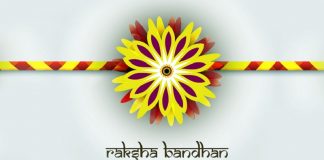
Raksha Bandhan, lovingly known as Rakhi, is one of the most cherished festivals in India, celebrating the unique bond between brothers and sisters. Observed every year on the Purnima (Full Moon) of the Hindu month of Shravan, the festival represents love, trust, protection, gratitude, and lifelong family relationships.
On this auspicious occasion, sisters tie a sacred thread called Rakhi around their brothers’ wrists and pray for their happiness, good health, and prosperity. Brothers, in return, express their love by offering gifts and promising to support and protect their sisters throughout life.
Over the years, Raksha Bandhan has evolved into a festival that celebrates not only sibling relationships but also the values of affection, respect, and responsibility among family members and loved ones. Whether celebrated together at home or across distances through virtual calls and couriered Rakhis, the spirit of Raksha Bandhan continues to unite families across generations.
Raksha Bandhan 2026 Date & Shubh Muhurat
In 2026, Raksha Bandhan will be celebrated on Friday, 28 August 2026.
According to the Hindu Panchang:
- Purnima Tithi Begins: 27 August 2026 at 9:08 AM
- Purnima Tithi Ends: 28 August 2026 at 9:48 AM
For New Delhi, the auspicious time to tie Rakhi is:
- Shubh Muhurat: 5:57 AM to 9:48 AM
The Bhadra period ends before sunrise, making the morning hours suitable for the Raksha Bandhan ceremony according to traditional Panchang calculations.
Since Panchang timings can vary depending on your city or region, it is advisable to check your local Panchang or consult your nearby temple for location-specific timings.
Why Is Raksha Bandhan Celebrated?
Raksha Bandhan is celebrated to honor the everlasting bond between brothers and sisters. The sacred Rakhi thread symbolizes affection, trust, blessings, and mutual responsibility rather than simply a ritual.
Traditionally, sisters pray for their brothers’ health, success, and happiness, while brothers pledge to stand beside their sisters with love and support through every stage of life.
Today, Raksha Bandhan also reflects modern family values. Sisters and brothers exchange appreciation, strengthen emotional connections, and celebrate the importance of family unity. Many people also tie Rakhi to cousins, close friends, mentors, and even soldiers as a symbol of respect and gratitude.
History and Mythological Significance of Raksha Bandhan
Several stories from Hindu tradition are associated with the festival of Raksha Bandhan.
Lord Krishna and Draupadi
One of the most popular legends tells that when Lord Krishna injured His finger while using the Sudarshan Chakra, Draupadi immediately tore a piece of her saree and tied it around His finger to stop the bleeding.
Deeply touched by her kindness, Lord Krishna promised to protect her whenever she needed His help. Later, during the incident of the disrobing of Draupadi in the Kaurava court, Krishna is believed to have protected her honor through His divine grace.
This story symbolizes unconditional love, compassion, and the sacred promise of protection.
Goddess Lakshmi and King Bali
According to another well-known tradition, Lord Vishnu stayed in King Bali’s kingdom after granting him a boon. Goddess Lakshmi wished to bring Lord Vishnu back to Vaikuntha.
She tied a sacred thread on King Bali’s wrist and accepted him as her brother. Moved by her affection, King Bali granted her a boon, allowing Lord Vishnu to return with her.
This legend emphasizes that Rakhi represents relationships built on trust, affection, and mutual respect rather than only blood relations.
Indra and Indrani
Ancient Hindu scriptures also mention that before a great battle between the Devas and Asuras, Goddess Indrani tied a sacred protective thread around Lord Indra’s wrist while praying for his victory and safety.
The thread came to symbolize blessings, courage, and divine protection.
Spiritual Significance of Raksha Bandhan
Raksha Bandhan carries deep spiritual meaning beyond its festive celebrations.
The festival reminds people to nurture relationships with sincerity, compassion, and responsibility. It encourages individuals to protect not only their loved ones but also the values that strengthen society.
The sacred Rakhi thread symbolizes:
- Love and affection
- Faith and trust
- Responsibility
- Family unity
- Gratitude
- Compassion
- Lifelong support
The festival also teaches that true protection comes through kindness, understanding, and mutual respect.
How Raksha Bandhan Is Celebrated
Families celebrate Raksha Bandhan with devotion and joy.
The day usually begins with cleaning and decorating the home. Many families wear traditional clothes and prepare festive meals.
A typical Raksha Bandhan ceremony includes:
- Preparing a beautifully decorated Rakhi thali.
- Lighting a diya.
- Applying tilak on the brother’s forehead.
- Performing aarti.
- Tying the Rakhi.
- Offering sweets.
- Exchanging gifts.
- Seeking blessings from elders.
- Enjoying a festive meal together.
Every family follows its own customs, making each celebration unique while preserving the spirit of love and togetherness.
Items Required for Rakhi Puja
A traditional Rakhi thali generally contains:
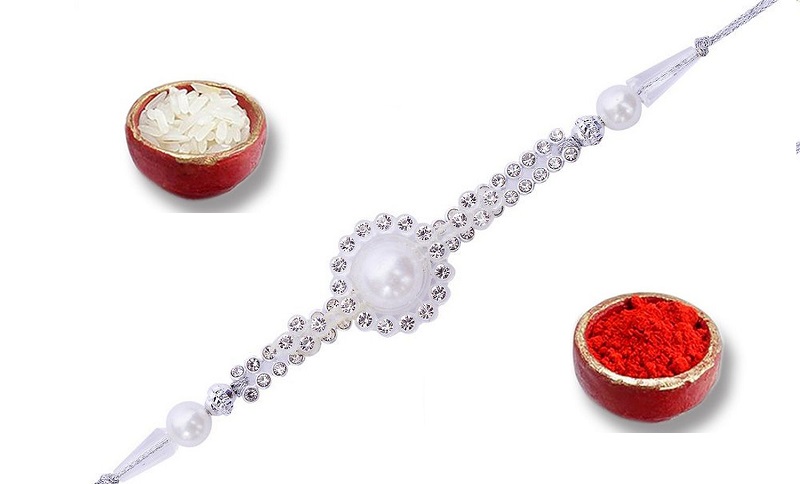
- Rakhi
- Kumkum or Roli
- Akshat (Rice)
- Diya
- Incense sticks
- Flowers
- Sweets
- Coconut (optional)
- Kalash (optional)
Many families also decorate the thali with flowers and colorful rangoli to make the ceremony more festive.
Meaning of the Sacred Rakhi Thread
Although Rakhi appears to be a simple thread, it carries profound emotional and spiritual significance.
It represents:
- Love
- Trust
- Blessings
- Protection
- Respect
- Family bonds
- Lifelong commitment
The true value of Rakhi lies not in its design or cost but in the heartfelt emotions and promises it symbolizes.
Traditional Sweets Prepared for Raksha Bandhan
No Indian festival feels complete without delicious sweets, and Raksha Bandhan is no exception.
Popular sweets prepared during the festival include:
- Kaju Katli
- Motichoor Ladoo
- Gulab Jamun
- Rasgulla
- Barfi
- Soan Papdi
- Kheer
- Peda
- Besan Ladoo
Many families also prepare homemade sweets that have been passed down through generations, making the celebration even more special.
Modern Ways of Celebrating Rakhi
With families often living in different cities or countries, Raksha Bandhan has embraced modern traditions while preserving its emotional essence.
Today, many people celebrate by:
- Sending Rakhi through courier services.
- Ordering gifts online.
- Joining video calls for the Rakhi ceremony.
- Sharing personalized greeting cards.
- Creating digital photo albums.
- Planning family reunions.
- Donating to charitable organizations in honor of siblings.
Technology has made it possible for families to stay connected, no matter how far apart they may be.
Values That Raksha Bandhan Teaches
Raksha Bandhan is much more than a festival—it is a celebration of timeless values that strengthen families and society.
The festival inspires people to:
- Cherish family relationships.
- Express gratitude and appreciation.
- Build trust through actions.
- Support loved ones during difficult times.
- Respect one another’s individuality.
- Preserve traditions while embracing modern life.
- Strengthen emotional bonds across generations.
These values continue to make Raksha Bandhan one of India’s most meaningful festivals.
The Timeless Spirit of Raksha Bandhan
In today’s fast-paced world, Raksha Bandhan reminds us to pause and appreciate the people who stand beside us through every joy and challenge. The simple act of tying a Rakhi carries a powerful message of love, trust, gratitude, and lifelong commitment.
Whether celebrated with traditional rituals at home, through a heartfelt video call across continents, or by sending a Rakhi to a loved one far away, the festival continues to strengthen relationships and preserve cherished family traditions.
Raksha Bandhan is ultimately a celebration of the enduring bonds that unite families, making it a festival that remains relevant and deeply meaningful for every generation.