 ENG
ENG हिन्दी
  Aries
Aries Taurus
 Gemini
 Cancer
 Leo
Leo Virgo
Virgo Libra
Libra Scorpio
 Sagi
Sagi Capri
Capri Aquarius
 Pisces
The holy month of Sawan (Shravan) is one of the most sacred periods in the Hindu calendar and is dedicated to the worship of Lord Shiva. Throughout this month, millions of devotees observe the Sawan Somvar Vrat (Monday Fast) with devotion, offering prayers, performing Abhishek, and chanting Shiva mantras.
Mondays are traditionally considered especially auspicious for Lord Shiva. During the month of Sawan, every Monday becomes even more significant, attracting devotees to Shiva temples across India. Many observe the fast seeking spiritual growth, inner peace, family harmony, and the blessings of Lord Shiva.
Whether you are observing the Sawan Somvar Vrat for the first time or have followed it for years, understanding its significance, traditional rituals, and guidelines can help you perform the vrat with sincerity and devotion.
Why Is Sawan So Special?
Book here saawan sprecial puja Rudraabhishek with Rudri path 8285282851
According to Hindu tradition, the month of Shravan is closely associated with Lord Shiva. Ancient scriptures describe this period as highly auspicious for worship, meditation, charity, and self-discipline.
One well-known legend connects Sawan with the Samudra Manthan (Churning of the Ocean). During this event, a deadly poison called Halahala emerged from the ocean. To protect the universe, Lord Shiva consumed the poison and held it in His throat, which turned blue, earning Him the name Neelkanth.
Devotees remember this act of compassion by offering water, milk, and Bilva leaves to Lord Shiva throughout Sawan.
Spiritual Importance of Sawan Somvar Vrat
Observing the Monday fast during Sawan is traditionally believed to encourage:
- Greater devotion to Lord Shiva
- Mental discipline
- Inner peace
- Positive thinking
- Spiritual growth
- Self-control
- Gratitude and humility
Many unmarried devotees also observe the vrat while praying for a suitable life partner, inspired by the story of Goddess Parvati’s devotion to Lord Shiva. Married devotees often pray for family harmony and well-being.
Who Can Observe the Sawan Somvar Vrat?
The vrat may be observed by:
- Men
- Women
- Married couples
- Unmarried devotees
- Senior citizens (based on health)
- Young adults
People with medical conditions, diabetes, pregnancy, or other health concerns should consult their healthcare provider before undertaking any form of fasting. Spiritual devotion does not require compromising one’s health.
Preparations Before the Fast
Many devotees prepare for the vrat by:
- Cleaning the home and prayer area
- Arranging flowers and puja items
- Purchasing fresh Bilva (Bel) leaves
- Collecting Gangajal if available
- Keeping fruits and sattvic food ready for the day
- Planning time for prayers and meditation
A peaceful environment helps create a focused devotional atmosphere.
Sawan Somvar Puja Samagri
Common items used during the puja include:
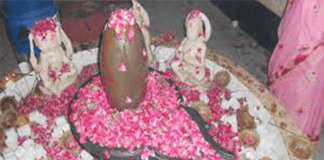
- Shivling or image of Lord Shiva
- Gangajal
- Clean water
- Milk
- Honey
- Curd
- Ghee
- Sugar
- Bilva (Bel) leaves
- White flowers
- Sandalwood paste
- Incense sticks
- Oil or ghee lamp
- Seasonal fruits
- Coconut
- Rudraksha mala (optional)
Step-by-Step Sawan Somvar Puja Vidhi
1. Wake Up Early
Many devotees begin the day before sunrise, bathe, and wear clean or light-colored clothes.
2. Take a Sankalp (Resolution)
Before beginning the puja, silently offer your intention to observe the vrat with sincerity and devotion.
3. Offer Water and Gangajal
Pour clean water or Gangajal over the Shivling while chanting:
“Om Namah Shivaya.”
4. Perform Panchamrit Abhishek
Many devotees offer a mixture of:
- Milk
- Curd
- Honey
- Ghee
- Sugar
Afterward, rinse the Shivling with clean water.
5. Offer Bilva Leaves
Bilva leaves are considered especially sacred in Shiva worship.
Traditionally:
- Offer fresh, undamaged leaves.
- Place them gently with devotion.
- Ensure the leaves are clean before offering.
6. Offer Flowers and Sandalwood
White flowers and sandalwood paste are commonly offered as symbols of purity and devotion.
7. Light a Lamp
Lighting a ghee or oil lamp symbolizes the removal of darkness and the awakening of spiritual knowledge.
8. Chant Shiva Mantras
Many devotees chant:
- Om Namah Shivaya
- Mahamrityunjaya Mantra
- Shiva Chalisa
- Rudrashtakam
- Shiva Ashtakam
Even a few minutes of sincere chanting can become a meaningful part of the worship.
9. Perform Aarti
Complete the puja with Shiva Aarti and offer your prayers.
10. Break the Fast Mindfully
Depending on personal tradition, many devotees break the fast after sunset or after completing the evening worship with simple sattvic food.
Foods Commonly Consumed During the Fast
People follow different family traditions. Common vrat foods include:
- Fruits
- Milk
- Curd
- Makhana
- Sabudana Khichdi
- Singhara flour dishes
- Kuttu flour preparations
- Coconut water
- Dry fruits
Many devotees avoid onion, garlic, grains, alcohol, tobacco, and non-vegetarian food during the fast.
Things Traditionally Offered to Lord Shiva
Offerings often include:
- Water
- Gangajal
- Milk
- Bilva leaves
- White flowers
- Dhatura (where traditionally practiced)
- Bhasma (sacred ash)
- Sandalwood paste
- Honey
The significance of each offering may vary across traditions and regions.
Traditional Benefits of Observing Sawan Somvar Vrat
According to Hindu tradition, devotees observe this vrat with faith for spiritual and personal reasons. It is traditionally believed to encourage:
Inner Peace
Regular prayer and meditation may help calm the mind and reduce stress.
Spiritual Discipline
Fasting encourages self-control, patience, and mindfulness.
Stronger Devotional Practice
The vrat deepens one’s connection with Lord Shiva through prayer and remembrance.
Family Harmony
Many devotees pray for peace, unity, and well-being within the family.
Positive Outlook
The month of Sawan inspires gratitude, charity, and compassionate living.
These are traditional beliefs and should be understood as matters of faith rather than guaranteed outcomes.
Common Mistakes to Avoid During Sawan Somvar
Many devotees try to avoid:
- Performing the puja in haste
- Offering damaged Bilva leaves
- Wasting food or water used in worship
- Speaking harshly or engaging in unnecessary arguments
- Consuming intoxicants during the vrat
- Neglecting cleanliness in the prayer area
The spirit of the vrat emphasizes devotion, humility, and sincerity over perfection.
Importance of Chanting “Om Namah Shivaya”
Among the many Shiva mantras, “Om Namah Shivaya” is one of the most widely recited.
Its regular chanting is traditionally associated with:
- Mental calmness
- Devotional focus
- Spiritual reflection
- A sense of inner balance
Many devotees repeat this mantra throughout the day while observing the fast.
Charity During Sawan
Acts of kindness are considered an important part of the month.
Common forms of charity include:
- Donating food
- Offering clothes to those in need
- Supporting education
- Feeding animals where appropriate
- Contributing to community welfare
Charity performed with compassion is regarded as an expression of devotion.
Sawan Somvar in Modern Life
Many people today balance work, studies, and family responsibilities while observing the vrat. Even if a full fast is not possible, devotees often participate by:
- Chanting Shiva mantras.
- Visiting a temple before or after work.
- Performing a simple puja at home.
- Reading Shiva-related scriptures.
- Practicing kindness and self-discipline throughout the day.
The essence of Sawan Somvar lies in sincere devotion rather than the complexity of rituals.