 ENG
ENG हिन्दी
  मेष
मेष  वृषभ
वृषभ  मिथुन
मिथुन  कर्क
कर्क  सिंह
सिंह  कन्या
कन्या  तुला
तुला  वृश्चिक
  धनु
धनु  मकर
मकर  कुम्भ
कुम्भ  मीन
मीन Success in business depends on planning, customer satisfaction, innovation, financial discipline, and consistent effort. Alongside these practical aspects, many people include spiritual practices such as mantra chanting in their daily routine.
In Hindu tradition, mantras are recited with devotion to cultivate focus, inner strength, and a positive mindset. While many devotees believe these practices invite auspiciousness, they should not be viewed as a guarantee of financial success.
Below are eleven well-known mantras that are traditionally associated with prosperity, wisdom, confidence, and the removal of obstacles.
1. Lord Ganesha Mantra – For Removing Obstacles
Mantra
ॐ गं गणपतये नमः
Om Gam Ganapataye Namah
Traditional Significance
Lord Ganesha is worshipped before beginning new ventures. Many business owners chant this mantra before opening their office or shop.
Traditionally Associated Benefits
- Removes obstacles
- Brings clarity
- Supports new beginnings
- Enhances confidence
Suggested Practice
Chant 108 times in the morning.
2. Goddess Lakshmi Mantra – For Prosperity
Mantra
ॐ श्रीं महालक्ष्म्यै नमः
Om Shreem Mahalakshmyai Namah
Traditional Significance
Goddess Lakshmi is revered as the deity of wealth, prosperity, and abundance.
Traditionally Associated Benefits
- Positive financial energy
- Prosperity
- Gratitude
- Harmony
3. Kubera Mantra – For Wealth
Mantra
ॐ यक्षाय कुबेराय वैश्रवणाय धनधान्याधिपतये धनधान्य समृद्धिं मे देहि दापय स्वाहा॥
Om Yakshaya Kuberaya Vaishravanaya Dhanadhanyadhipataye Dhanadhanya Samriddhim Me Dehi Dapaya Swaha
Traditional Significance
Lord Kubera is regarded as the guardian of wealth in Hindu tradition.
Traditionally Associated Benefits
- Financial stability
- Prosperity
- Abundance mindset
4. Mahamrityunjaya Mantra – For Strength and Protection
Mantra
ॐ त्र्यम्बकं यजामहे सुगन्धिं पुष्टिवर्धनम्।
उर्वारुकमिव बन्धनान्मृत्योर्मुक्षीय मामृतात्॥
Traditional Significance
One of the most revered Vedic mantras, it is commonly chanted for strength, peace, and resilience during challenging times.
Traditionally Associated Benefits
- Inner strength
- Calmness
- Positive outlook
- Emotional resilience
5. Gayatri Mantra – For Wisdom
Mantra
ॐ भूर्भुवः स्वः
तत्सवितुर्वरेण्यं
भर्गो देवस्य धीमहि
धियो यो नः प्रचोदयात्॥
Traditional Significance
The Gayatri Mantra is traditionally recited for wisdom, clarity, and higher understanding.
Traditionally Associated Benefits
- Better decision-making
- Mental clarity
- Focus
- Knowledge
6. Budh (Mercury) Mantra – For Business and Communication
Mantra
ॐ ब्रां ब्रीं ब्रौं सः बुधाय नमः
Om Bram Breem Broum Sah Budhaya Namah
Traditional Significance
Mercury is associated with communication, commerce, learning, and analytical thinking.
Traditionally Associated Benefits
- Communication skills
- Business intelligence
- Negotiation
- Marketing
7. Brihaspati (Jupiter) Mantra – For Growth
Mantra
ॐ ग्रां ग्रीं ग्रौं सः गुरुवे नमः
Om Gram Greem Groum Sah Gurave Namah
Traditional Significance
Jupiter symbolizes wisdom, ethics, guidance, and expansion.
Traditionally Associated Benefits
- Long-term growth
- Sound judgment
- Confidence
- Knowledge
8. Surya Mantra – For Leadership
Mantra
ॐ घृणि सूर्याय नमः
Om Ghrini Suryaya Namah
Traditional Significance
The Sun is associated with leadership, confidence, vitality, and authority.
Traditionally Associated Benefits
- Self-confidence
- Leadership
- Motivation
- Recognition
9. Hanuman Mantra – For Courage
Mantra
ॐ हं हनुमते नमः
Om Ham Hanumate Namah
Traditional Significance
Lord Hanuman represents courage, devotion, discipline, and determination.
Traditionally Associated Benefits
- Confidence
- Mental strength
- Courage during challenges
- Positive energy
10. Saraswati Mantra – For Knowledge and Creativity
Mantra
ॐ ऐं सरस्वत्यै नमः
Om Aim Saraswatyai Namah
Traditional Significance
Goddess Saraswati is revered as the deity of wisdom, learning, creativity, and speech.
Traditionally Associated Benefits
- Creativity
- Communication
- Learning
- Professional growth
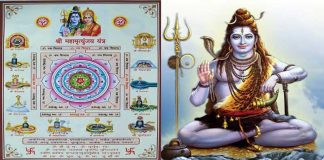
11. Shiva Panchakshari Mantra – For Peace and Inner Balance
Mantra
ॐ नमः शिवाय
Om Namah Shivaya
Traditional Significance
One of the most widely recited mantras in Hindu tradition, it symbolizes surrender, inner peace, and spiritual growth.
Traditionally Associated Benefits
- Calm mind
- Emotional balance
- Positive energy
- Spiritual well-being
Best Time to Chant These Mantras
Many practitioners prefer:
- Early morning (Brahma Muhurta) or after sunrise.
- After bathing and wearing clean clothes.
- In a quiet, clean place.
- Using a Rudraksha or Tulsi mala if it aligns with their practice.
- Chanting with focus and sincerity rather than rushing through repetitions.
Tips for Mantra Chanting
- Maintain regularity instead of chanting only occasionally.
- Understand the meaning of the mantra when possible.
- Sit comfortably with an upright posture.
- Avoid distractions while chanting.
- Combine spiritual practice with ethical business conduct and consistent effort.